
Key Takeaways
The Investing News Network published an interview Monday with WYDE co-founder Aaron Rafferty on Wyoming's DUNA framework and how decentralized platforms are using it.
Wyoming's Decentralized Unincorporated Nonprofit Association Act, signed in March 2024, made Wyoming the first state to give DAOs and blockchain networks recognized legal status.
WYDE uses the framework for cause coins, digital assets whose trading fees partially route to causes like hunger relief, with donors holding real governance power.
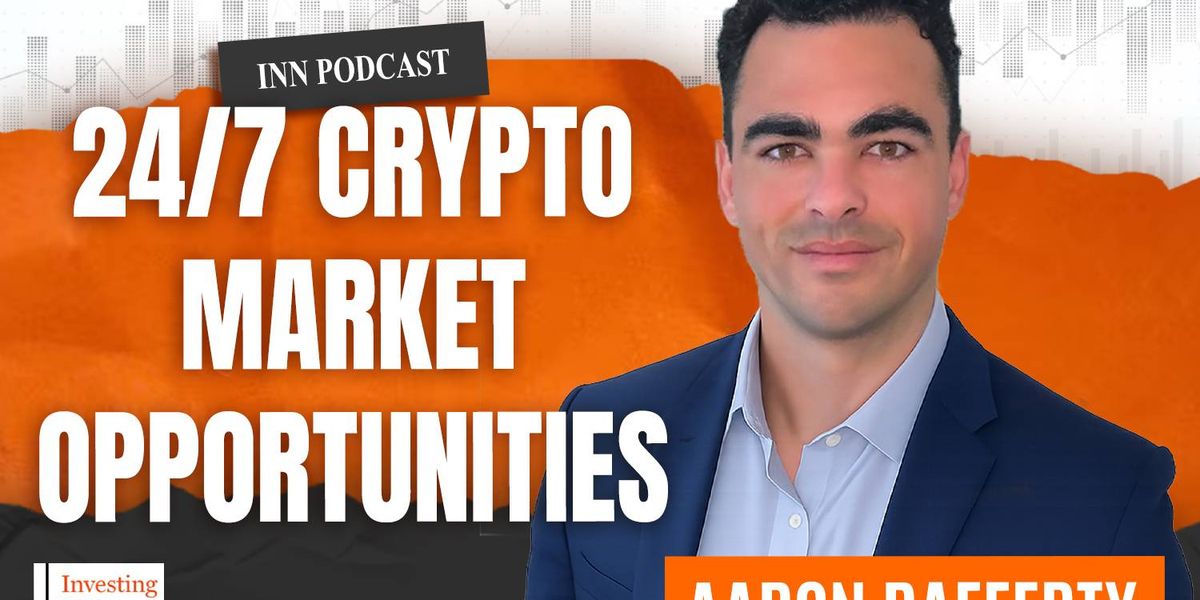
The Investing News Network published an interview Monday with Aaron Rafferty, co-founder of the Wyoming Decentralized Exchange Association, on the legal framework underneath a new class of decentralized platforms.
That framework is the DUNA, Wyoming's Decentralized Unincorporated Nonprofit Association Act. Signed in March 2024 and effective that July, it made Wyoming the first state to grant recognized legal status to decentralized autonomous organizations, letting blockchain networks operate within the law without giving up their decentralization. Members get liability protection, the organization gets standing to contract and hold assets, and governance stays on-chain with the community.
INN's coverage focuses on what that architecture makes possible. WYDE uses the DUNA to run community-governed organizations built around social causes, powered by what the platform calls cause coins. These are digital assets tied to causes like ending hunger, homelessness, or funding cancer research, and a portion of the transaction fees from trading routes automatically to the cause. The result, as the interview lays out, is ongoing financial support rather than one-time donations, with donors becoming stakeholders who hold voting power and governance responsibilities.
The piece also notes the framework's reach beyond cause organizations, from community investment funds to socially driven venture groups. The full conversation covers crypto's impact on charity, the stabilizing regulatory picture, and how blockchain is redefining ownership.
The model is already live in the WYDE ecosystem, where the EAT Card app reached final Apple review this month, and it fits a wider 2026 pattern in which even AI agents are starting to route money to causes on-chain. The legal rails for decentralized giving are getting real. Worth watching.
People Also Ask
What is Wyoming's DUNA framework?
The Decentralized Unincorporated Nonprofit Association Act, passed as SF0050 and signed in March 2024, is a Wyoming law that gives decentralized organizations like DAOs recognized legal status, liability protection for members, and the ability to contract and hold assets without compromising decentralized governance.
What are cause coins?
Cause coins are digital assets launched around a specific social cause, such as hunger or cancer research. A portion of the transaction fees from trading the coin routes to the cause automatically, creating ongoing funding instead of one-time gifts.
Why do decentralized platforms use the DUNA structure?
Before the DUNA, most DAOs had no legal personhood, which exposed members to personal liability and made basic actions like signing contracts difficult. The DUNA gives them a legally recognized nonprofit form while keeping governance with the token-holding community.
Is WYDE a nonprofit?
WYDE is the Wyoming Decentralized Exchange Association, a 501(c)(4) social welfare organization operating as a Wyoming DUNA. It built an exchange model in which trading fees automatically fund hunger relief.